


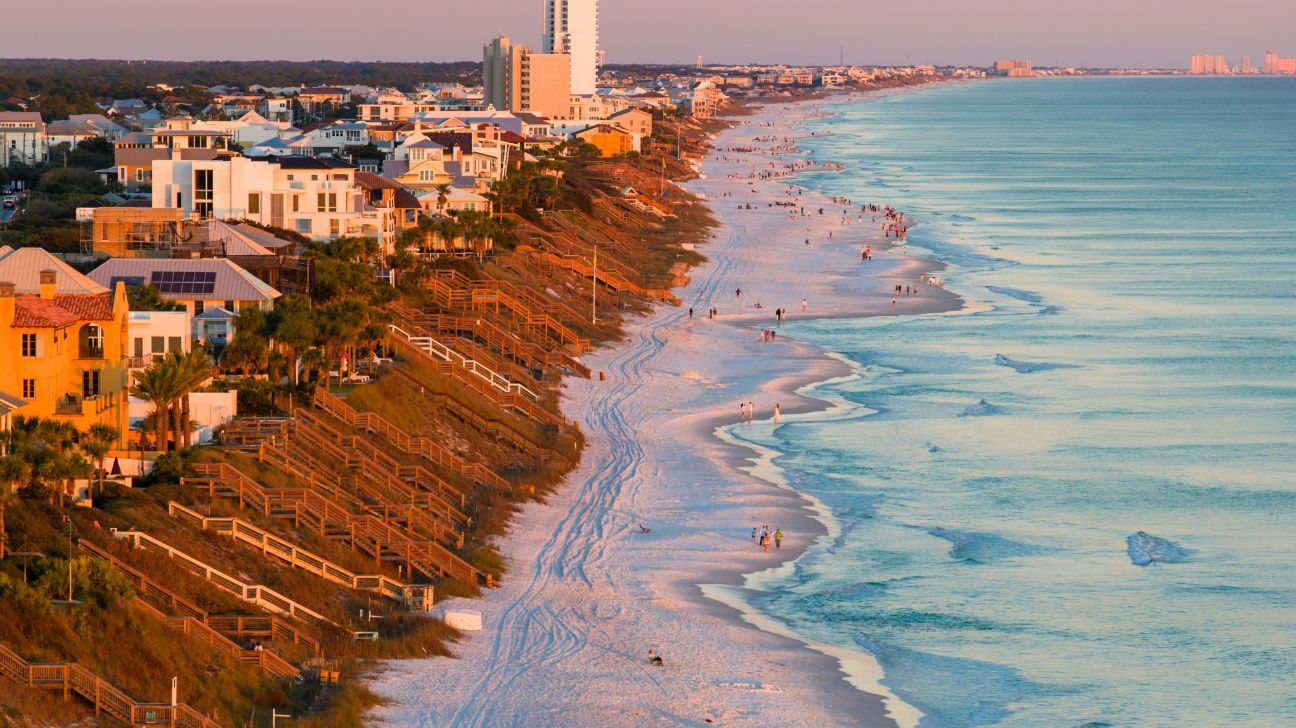
- At least 23 cases of a “flesh-eating” bacteria, Vibrio vulnificus, have been reported along the Gulf Coast in parts of Florida and Louisiana.
- A total of 7 people have died after developing the infection. While the illness is often mild, it can be fatal for people with a weakened immune system.
- The bacteria typically occur in warm, brackish coastal waters. Entering the open water with an open wound increases the risk of infection.
- The bacteria can also cause symptoms when ingested, such as through raw or undercooked oysters and other seafood.
Reports of a “flesh-eating” bacteria along parts of the Gulf Coast have left many people in the region wary of swimming in potentially affected waters.
The infection, caused by Vibrio vulnificus bacteria, is more prevalent in May and October, when the weather is warmer. The bacteria primarily live in coastal waters, including salt and brackish waters.
Most people develop Vibrio vulnificus infection by consuming raw or undercooked shellfish or when entering the water with an open wound. It may cause symptoms such as nausea, vomiting, diarrhea, and fever.
To date, a combined total of 23 cases have been reported in Louisiana and Florida. Among these, 7 have been fatal.
While the infection is generally mild, it can be severe in some cases. Rarely, it may cause necrotizing fasciitis, a soft tissue infection. This is why Vibrio vulnificus is known as “flesh-eating bacteria.” A prompt course of antibiotics may help treat a severe infection.
You can lower your risk of Vibrio vulnificus infection by practicing proper wound care and thoroughly cooking food.
Are ‘flesh-eating’ bacteria cases rising?
Compared with recent years, there is no evidence that Vibrio vulnificus cases are rising significantly.
Florida Health reported 33 cases and 5 deaths in 2025 and 82 cases and 19 deaths in 2024. This compares with 14 cases and 2 deaths by mid-August 2026.
The Louisiana Department of Health (LDH) noted that the average number of cases over the previous 10 years, during the same period, is 7 cases and 1 death. This compares with 9 cases and 5 deaths.
While the number of cases so far this year is slightly higher in Louisiana, the LDH explained that all cases occurred due to wounds exposed in open seawater, and all individuals had underlying health conditions.
However, according to a 2025 study, the number of cases increased by 70% from 2000–2004 to 2018–2022. In most cases, individuals had underlying health conditions.
“The reports from Louisiana and Florida are serious, but the timing is not unexpected,” said Robert Glatter, MD, attending physician in the Department of Emergency Medicine at Lenox Hill Hospital in New York and assistant professor of emergency medicine at the Zucker School of Medicine at Hofstra/Northwell.
“Vibrio vulnificus is most active when coastal waters are warm, so cases typically rise from late spring through early fall, especially along the Gulf Coast,” Glatter told Healthline.
“Florida has historically averaged roughly 35 reported cases a year, with the highest numbers in summer and early autumn. Fourteen cases and two deaths during this period are therefore not, by themselves, extraordinary. Louisiana’s five deaths among nine hospitalized patients are more alarming, but that figure describes a small, severely ill group and should not be interpreted as the death risk for everyone exposed,” he continued.
How serious is Vibrio vulnificus infection?
Vibrio vulnificus infection or vibriosis is usually mild.
Common symptoms, such as diarrhea, stomach cramps, and vomiting, usually appear within 12 to 24 hours and may last up to around 1 week. They will usually resolve without specific treatment.
However, for individuals with weakened immune systems, symptoms can be severe, and the infection may be fatal.
While anyone can develop the illness, some people may face a higher risk, including those who:
- have certain conditions, such as:
- liver disease
- diabetes
- HIV
- cancer
- take medication to decrease stomach acid
- receive immune-suppressing therapy
- have had recent stomach surgery
- consume raw seafood, particularly oysters
- expose an open wound to coastal waters or raw seafood
“Although anyone could be infected with an open wound, patients with cirrhosis or other immune-compromising conditions are particularly vulnerable,” said Christopher Greene, an assistant professor of Emergency Medicine at the University of Alabama at Birmingham.
William Schaffner, MD, an infectious disease specialist at Vanderbilt University Medical Center, noted that vibriosis is a very dramatic infection. “It affects people of all ages — you can be healthy and get the infection. Despite this, it is rare,” he told Healthline.
Safeguarding against ‘flesh-eating’ bacteria
You can still enjoy the beach, oysters, and the coastal waters in areas where Vibrio vulnificus lives. However, a few safety tips can help reduce your risk of contracting the illness.
The Centers for Disease Control and Prevention (CDC) offers the following tips to reduce your risk of vibriosis:
- Don’t eat raw or undercooked oysters.
- Always wear gloves when handling raw shellfish and wash your hands immediately after.
- Get rid of any shellfish with open shells.
- Avoid salt and brackish waters if you have an open wound, including simple scrapes and open cuts.
- If you’re going to be near the water, use a waterproof bandage to cover a wound.
- Wash all wounds with soap and clean water if it comes into contact with coastal water or seafood juices.
If a wound becomes red or discolored, or if it appears infected, seek immediate medical care.
“People should avoid entering salt or brackish water with cuts, scrapes, ulcers, recent surgical wounds, tattoos, or piercings,” Glatter said. “A waterproof bandage may reduce exposure, but staying out of the water is safer. Anyone cut while swimming or fishing should leave the water and wash the wound immediately with soap and clean running water.”
It’s also important to be aware of where vibriosis infection is more likely to occur.
“It occurs naturally in many warm salt and brackish waters, particularly estuaries, bays, marshes, and river mouths. The Gulf Coast remains the main U.S. risk area, but cases also occur along the Atlantic and Pacific coasts, and warming waters are extending the season and geographic range,” Glatter said.
“Not every water sample contains the same amount of bacteria, yet people cannot judge safety by the water’s appearance or by a routine beach advisory. Any warm coastal or estuarine water should be treated as potentially containing Vibrio, especially after heavy rain, flooding, hurricanes, or storm surge,” he added.
When to seek medical attention
Even if you take precautions to protect against Vibrio vulnificus infection, it’s important to be aware of the risks and know when to seek medical help.
Mild cases usually resolve on their own. Drinking plenty of fluids when symptoms occur is important for helping prevent dehydration.
More severe cases may require antibiotics, hospitalization, and surgical evaluations. Seek immediate medical help if signs of a wound infection occur.
“Signs of infection include redness (erythema) that spreads from the wound edge, severe pain in the wound, visible swelling in the tissues surrounding the wound, or fever/chills” which should prompt a visit to your local emergency department,” Greene said.
Seeking medical help as soon as there are concerns about the infection may help reduce the likelihood of more serious complications.
“Most people do not need to avoid beaches or coastal recreation. Infection remains rare, particularly for healthy people with intact skin who do not eat raw shellfish. However, V. vulnificus deserves respect because severe illness can develop within hours,” Glatter said.
“The practical message is not panic, but prevention and speed: protect wounds, cook shellfish, and seek urgent care for rapidly worsening symptoms,” he said.
‘Flesh-Eating’ Bacteria Cases Identified Along the Gulf Coast. How to Stay Safe
Source: Pinoy Lang Sakalam
0 (mga) komento:
Mag-post ng isang Komento