


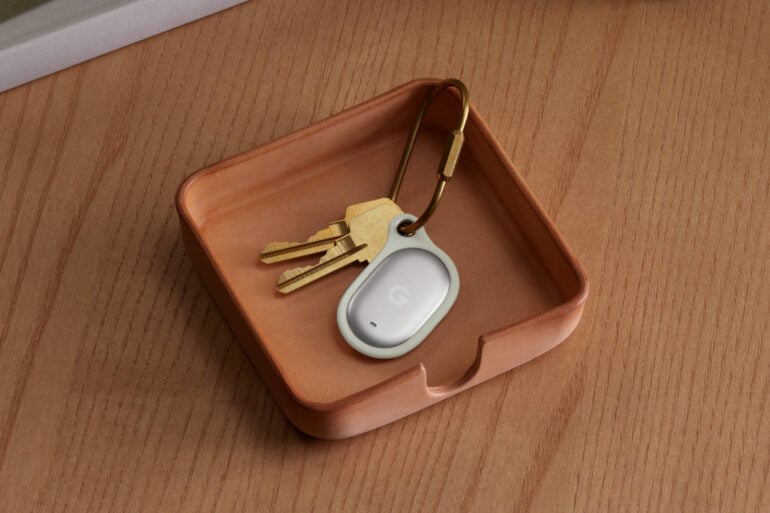
Apple has one, Samsung has one, as does Motorola, and now Google has one: alongside its new phones and wearables, Google has debuted the Pixel Tag, the brand’s first tracking device.
Like Motorola’s Moto Tag, the Pixel Tag works with Android devices via Google’s Find Hub to locate items, providing another alternative to AirTags, SmartTags, and Life360 Tiles. Not much bigger than a coin, it fits into bags, pouches, and even on keyrings.
Priced at $49 for one tracker and $169 for a four-pack in Australia, Google’s Pixel Tag is pretty much on par with other tracking devices on the market. It’s also similar in most other ways, including a built-in speaker to help you locate its position. Alternatively, it has a button that pings your phone when pressed if you can’t remember where you put it.
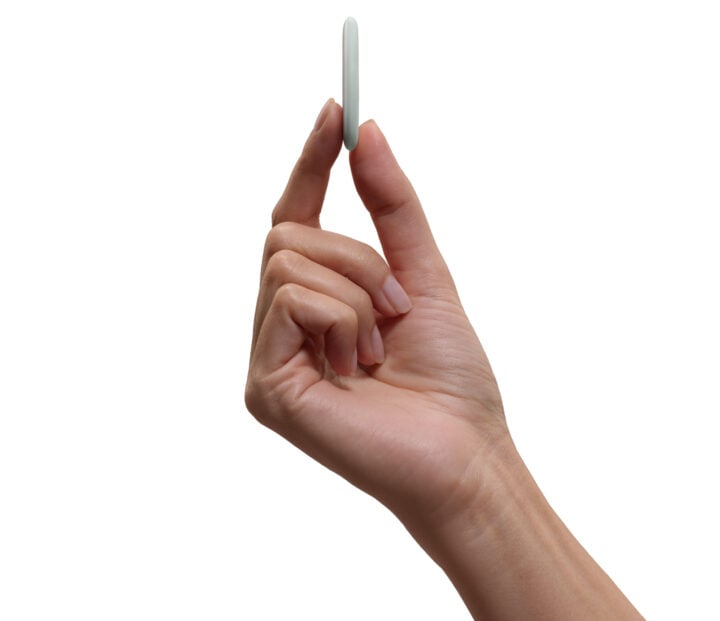
Google claims the tag lasts up to a year on a single battery, which is replaceable once it runs out. It’s also built to an IP67 rating, meaning it’s resistant to dust and water.
Compatible with devices running Android 9 or later, the Pixel Tag triangulates its position via an encrypted network of other Android gadgets. To alleviate security concerns, it provides a rough location via Find Hub. When it’s nearby, you can search for the tracker’s precise position via Bluetooth and Ultra-Wideband technology.
It’s the sort of thing that can help track down lost luggage or stolen belongings, or help find your keys if you’re the forgetful type. Unwanted tracking is a concern, though, which is why the Pixel Tag also includes unknown tracking alerts to prevent any suspicious behaviour.
Although the rest of the Pixel range is out later this month, the Pixel Tag won’t arrive until 11 November. When it lands, it’ll provide another Android-based tracker to choose from.
The post Google debuts Pixel Tag, the company’s first tracking device appeared first on GadgetGuy.
0 (mga) komento:
Mag-post ng isang Komento